Walk through the centre of Basingstoke and you will find more than shops and modern buildings. Among the familiar sights, a handful of historic structures stand as guides to the town’s long and eventful history. Each one tells a story of adaptation, endurance and a changing community.
Anchors in a Changing Town
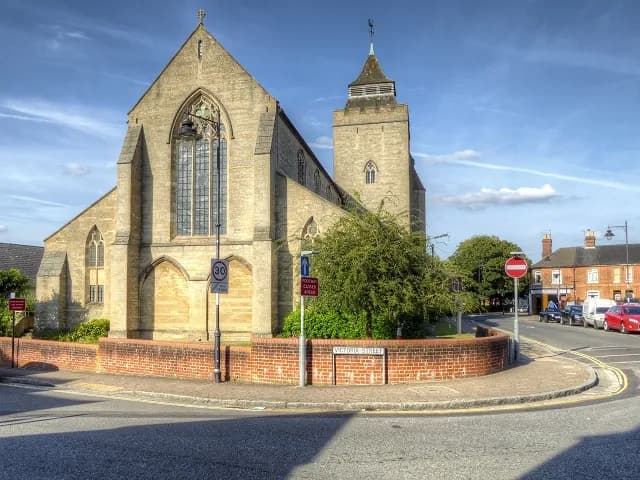
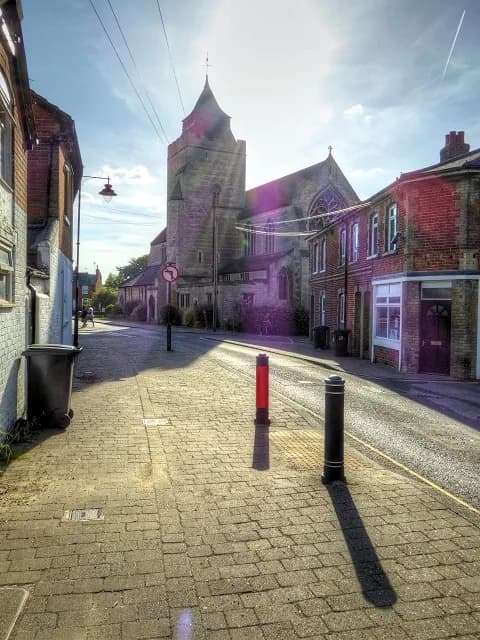
St Michael’s Church, just steps from the modern bustle, is among Basingstoke’s most significant survivors. Historic records place parts of the building as far back as the 14th century, though much of what we see today dates to the early 16th century. During the Second World War, the church narrowly avoided serious damage. This twist of fate left it standing as both a place of worship and a keeper of parish memories through centuries of change.
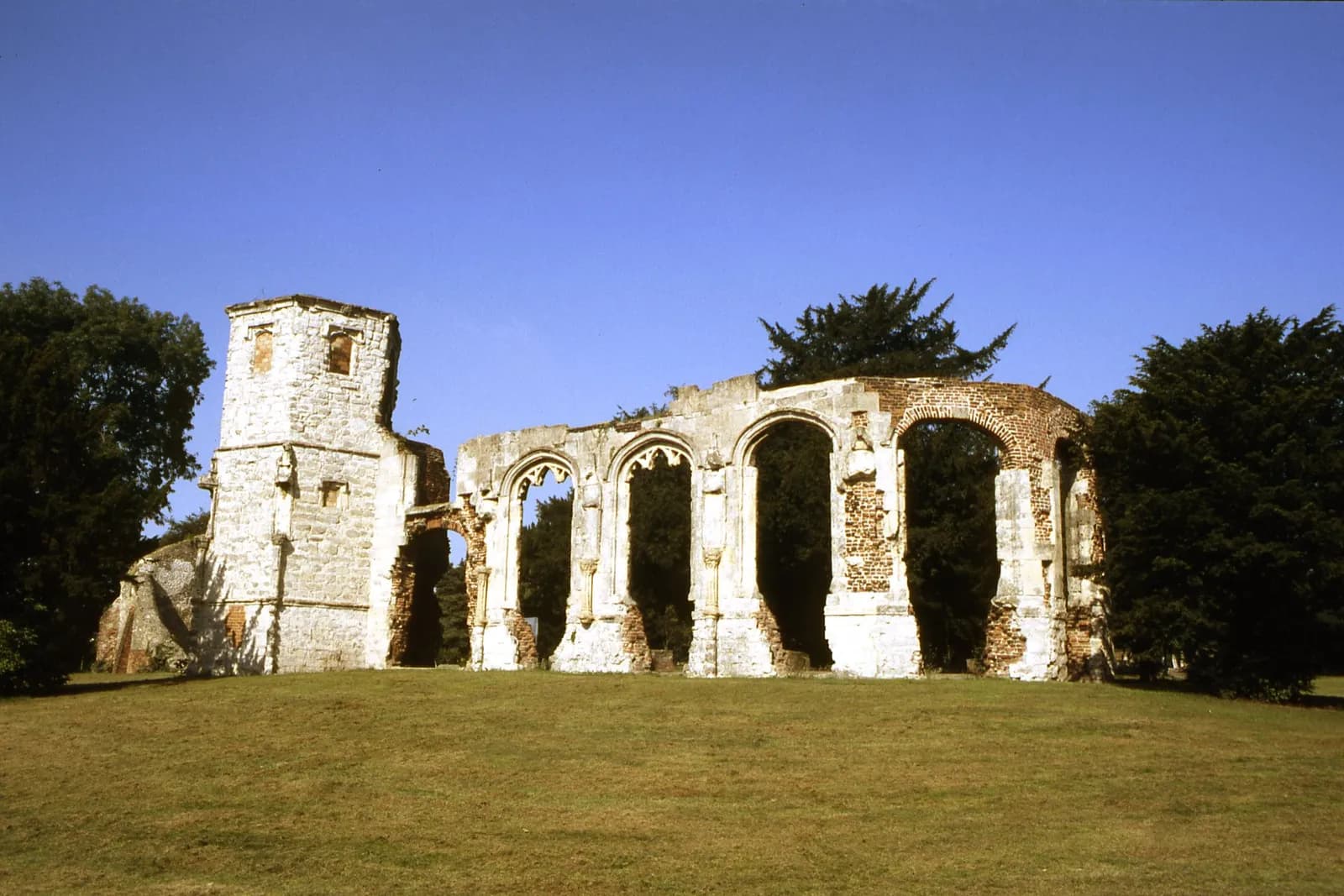
Close by, among quiet greenery, lie the haunting ruins of the Holy Ghost Chapel and its cemetery. While the chapel itself was first built in 1524, burials have taken place here since 1208. The space offers a rare link to medieval Basingstoke, and its enduring presence at the edge of the town centre is a reminder of continuity through political upheaval and urban renewal.
Basing House: A Tale of Siege and Ruin
The story reaches a national stage with Basing House, on the outskirts of town. Once the largest private residence in Tudor England, its fate changed in 1645, when the Civil War brought a long Royalist siege and eventual destruction. Today, the ruins stand as a striking monument to Basingstoke’s role in wider English history. The battered walls still evoke the conflicts that once shaped the nation and the local landscape [1].
The Market Place and a Town in Transition
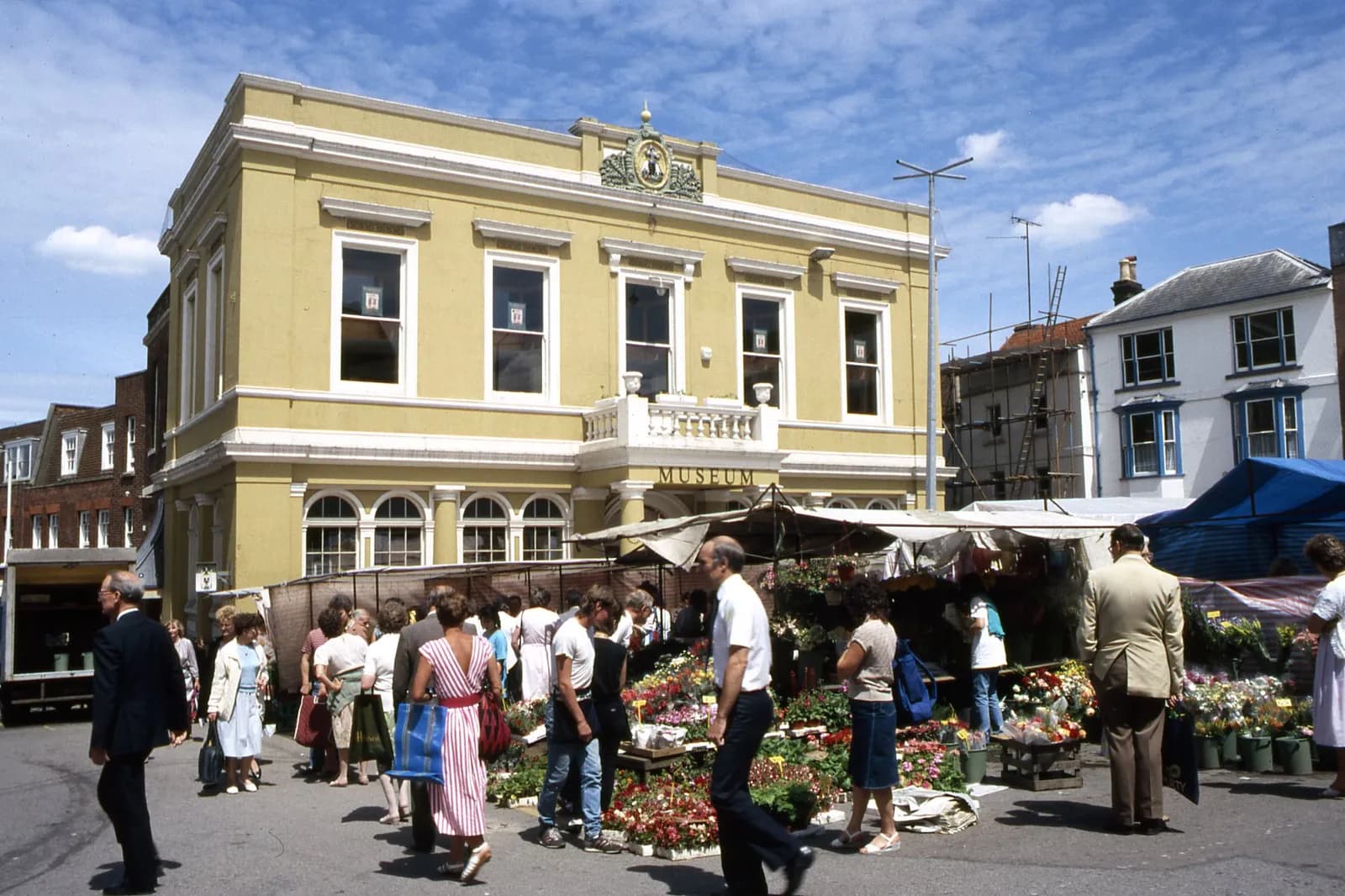
Back in the centre, the old Market Place is recognised as the historic heart of Basingstoke. Once the commercial and civic hub, it remains an anchor amid later town centre expansion. Here, the former Town Hall now houses the Willis Museum. This shows how Basingstoke’s identity is preserved through adaptation, serving today as a museum dedicated to interpreting the town’s past for residents and visitors alike [4].
Layers of History in Everyday Streets
Surrounding these landmarks are roads and buildings shaped by the 20th century. The post-war boom and 1960s redevelopment brought sweeping changes, yet the historic core remains. As you walk between old and new, from the civic heritage of the Willis Museum to the quiet gravestones of Holy Ghost Chapel, the story of Basingstoke becomes clear. This is a town resilient enough to preserve fragments of its past while responding to the demands of the present [5].
In Basingstoke, then, history is not found only in museums or memories. It is visible in ancient ruins, everyday streets and the blend of architecture that makes up the townscape. These buildings, old and new, show how Basingstoke’s journey from medieval market town to thriving Hampshire community remains etched into its very foundations.